Making amazing yet simple camping meals is easy with just a handful of quality ingredients plus a few basic staples.
You’ll find some deliciously easy camping meals in the collection below plus tips on the equipment you’ll need and how to approach campfire cooking.
17 easy recipes for camping meals
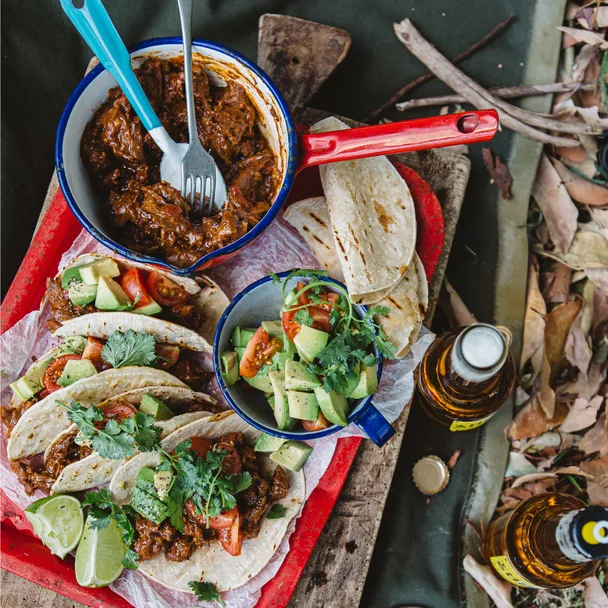

Pulled beef tacos
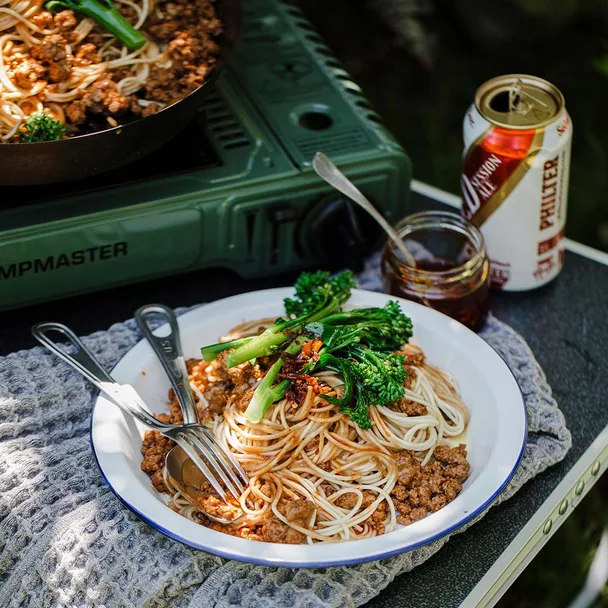
5 ingredient dan dan noodles
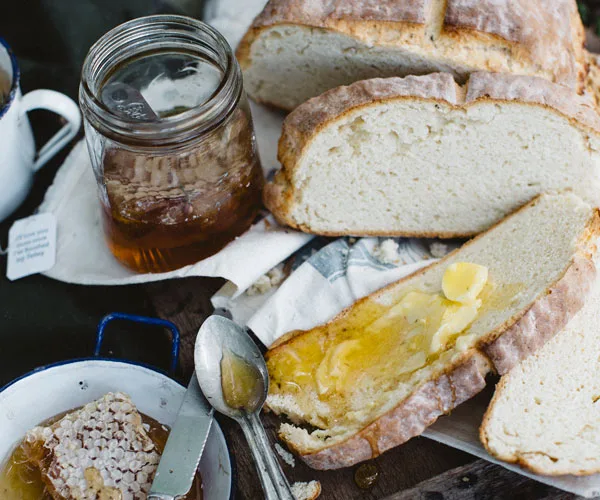
How to bake basic damper while camping
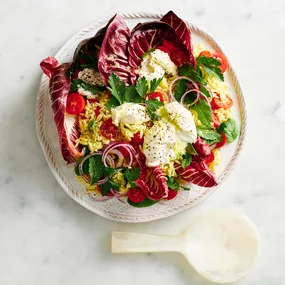
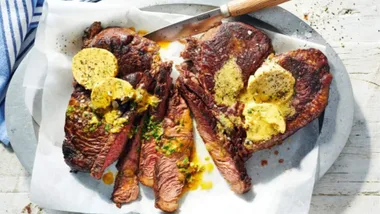
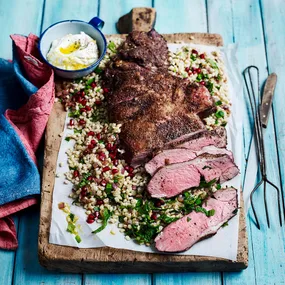
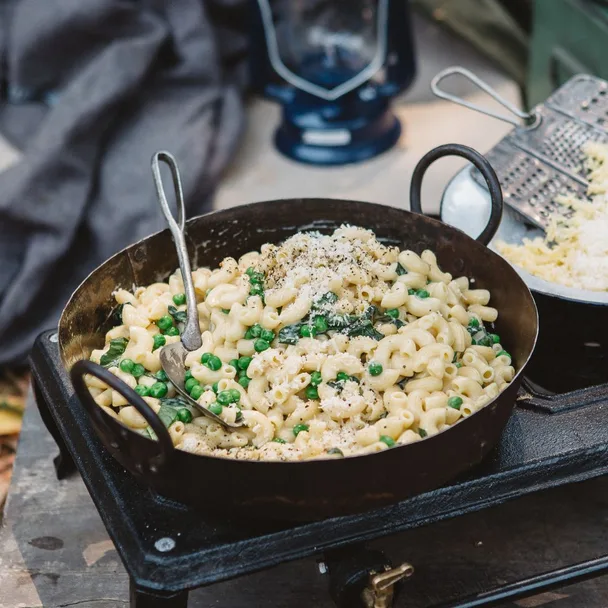
One pan mac and cheese
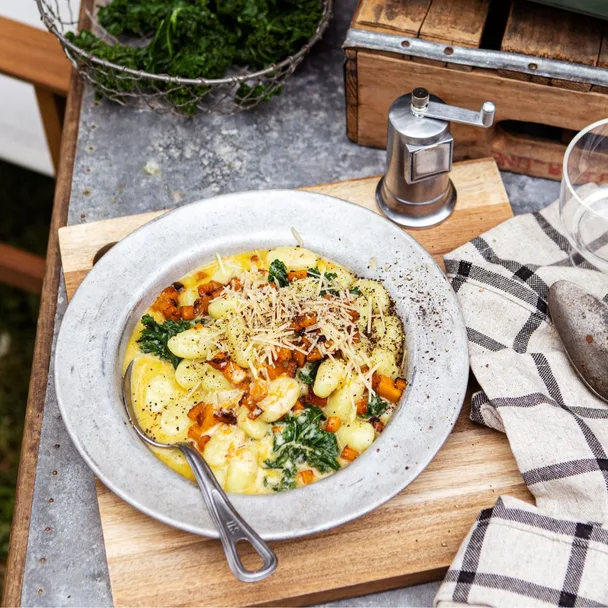
Cacio e pepe gnocchi with pumpkin
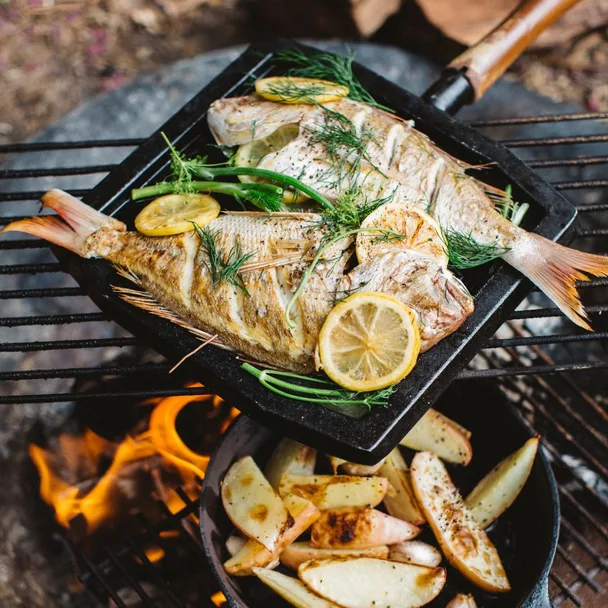
Campfire whole snapper and potato wedges
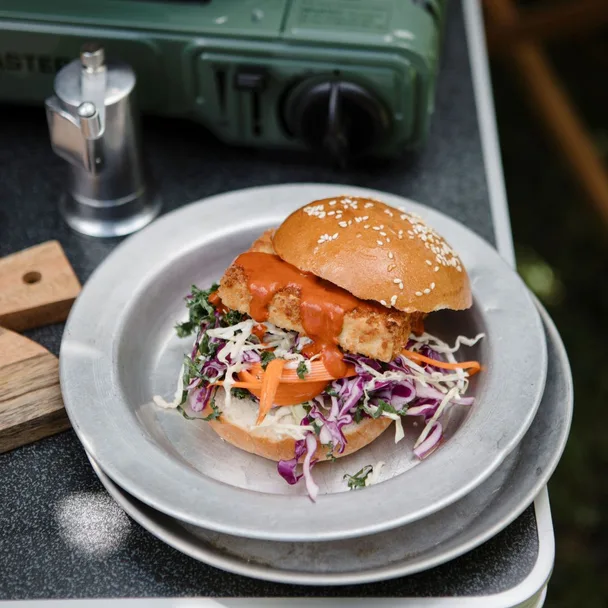
Crispy tofu katsu burgers
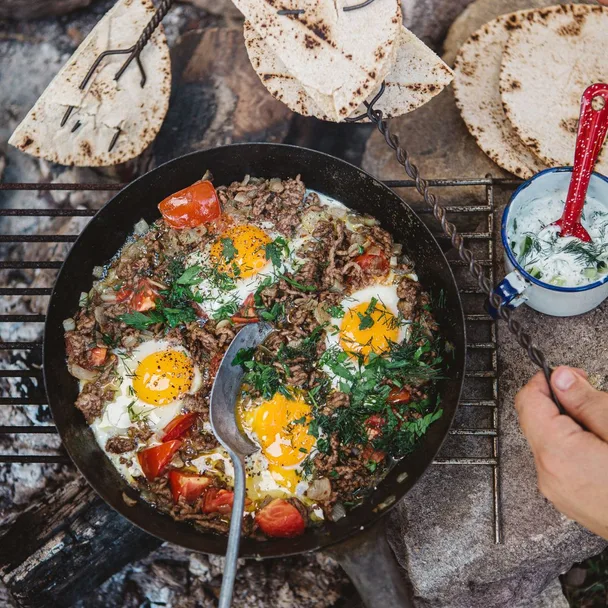
Baked eggs with spiced lamb
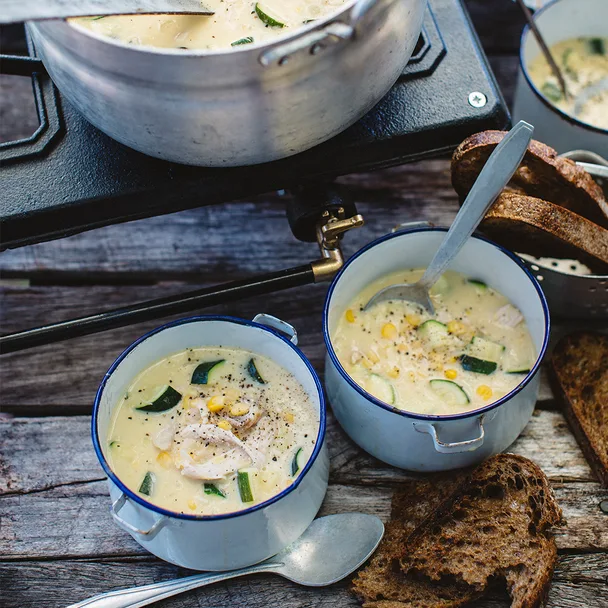
Easy chicken and corn soup

Pork stir-fry with noodles
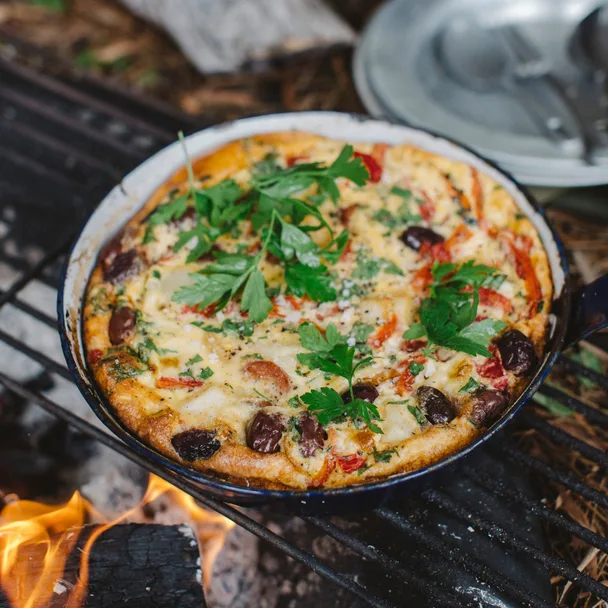
Chorizo & potato frittata
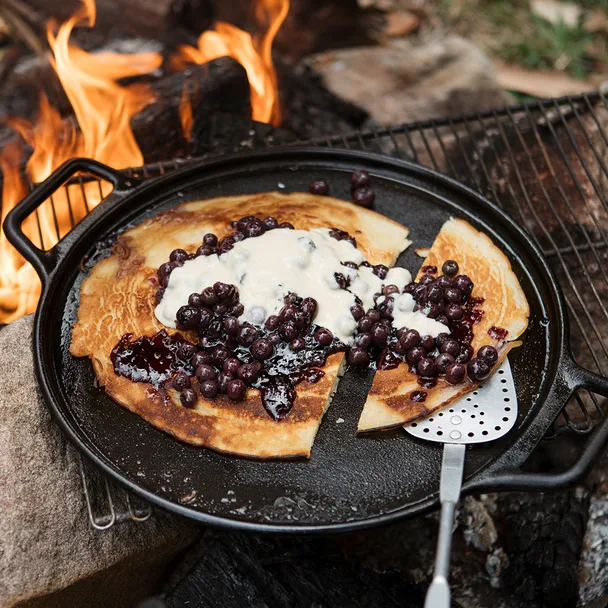
Campfire pancake recipe
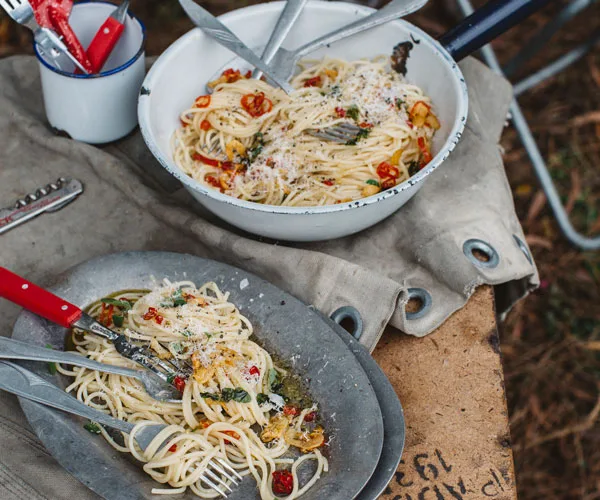
Spaghetti with garlic, oil and chilli
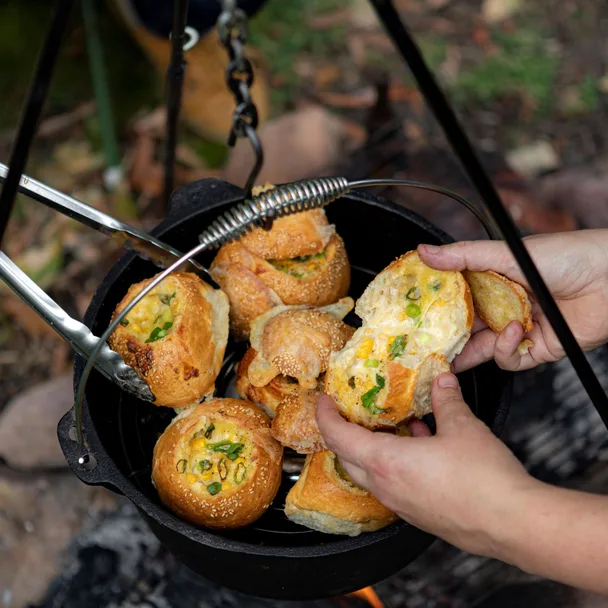
Cheesy cob loaf baked rolls
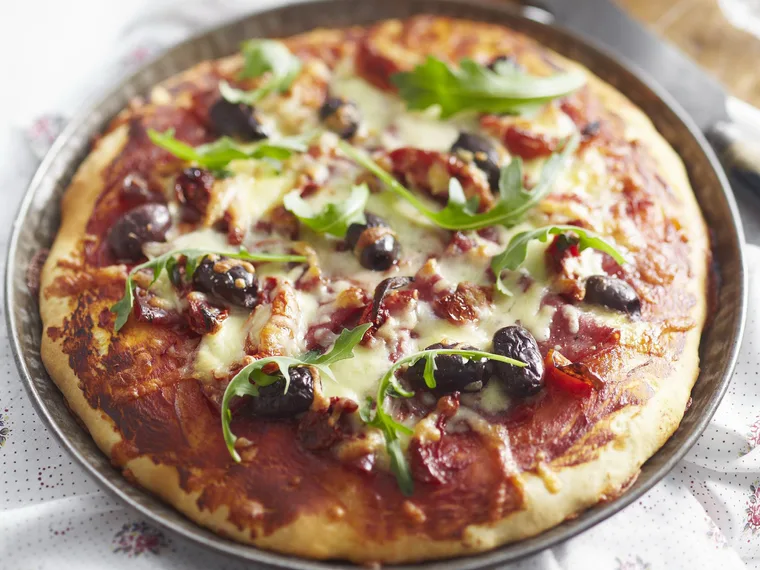

Camp oven lamb roast with vegetables
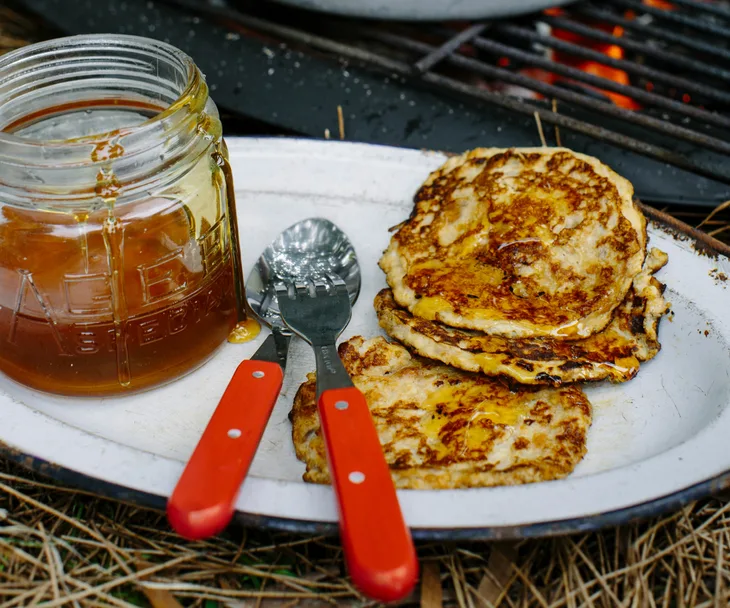
Three ingredient banana and peanut butter pancakes
Our Test Kitchen tips for camping meals
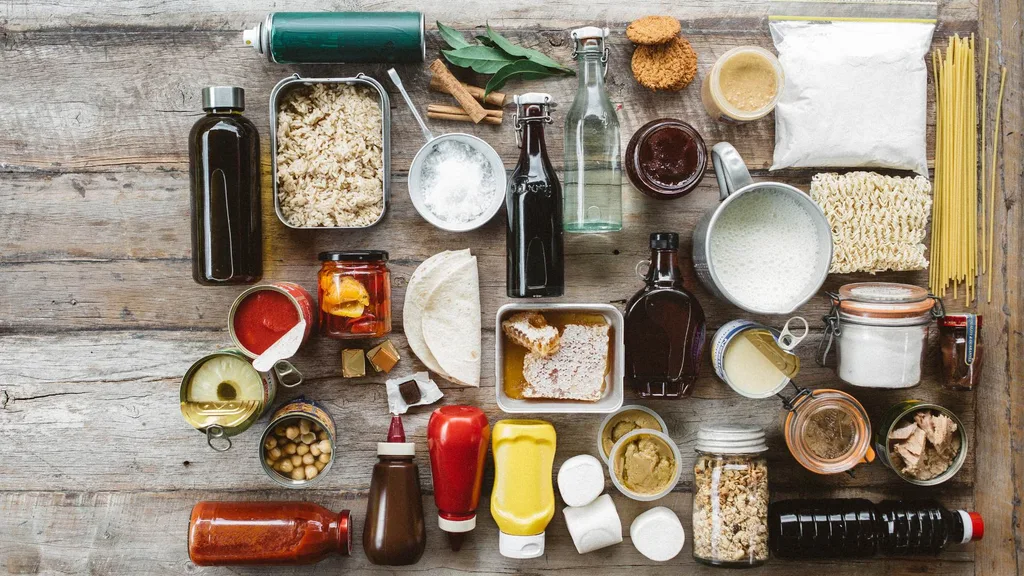
Pantry staples for camping meals
Pack these pantry favourites and you’ll have the basics covered for plenty of delicious and simple camping meals.
- Self-raising and plain flour
- Dried pasta, shelf-stable cooked rice and noodles
- Milk, cream and condensed milk (UHT long-life milk and cream)
- Caster and brown sugar
- Canned fish: tuna, salmon, sardines, mackerel, kippers, herring, anchovies
- Sauces: soy sauce, sweet chilli sauce, fish sauce
- Cereals: muesli, rolled oats, weetbix
- Sweet treats: marshmallows, chocolate, biscuits, toffee
- Condiments: seeded or dijon mustard, tomato, barbecue and sweet chilli sauces, curry pastes, relish and chutney, bottled pasta sauce, salsa
- Canned or bottled vegetables, fruit and legumes: tomatoes, corn, grilled capsicum, lentils, beans, peaches, pineapple
- Oils: extra virgin olive oil, olive oil spray
- Dried herbs and spices: cinnamon, dried chilli, paprika, ground cumin and coriander, salt and pepper, dried oregano, bay leaves, fresh mint, basil, coriander
- Red wine and balsamic vinegars Spreads: vegemite, peanut butter, jam, chocolate hazelnut spread, honey, maple syrup, golden syrup, lemon curd
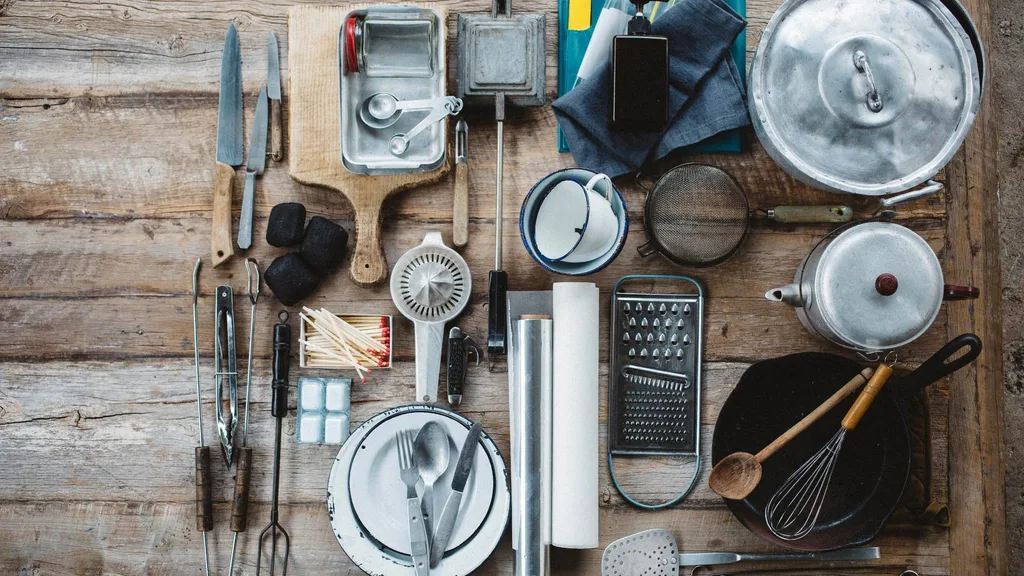
Camp cooking equipment
Whatever your camping plans, you’ll need to consider what you’ll eat as well as how you’ll cook your food, how much space you’ll have to store it and how you’ll keep it fresh and cold. You’ll need to plan your camping meals and equipment around these parameters. Remember, when camping, less is best.
Don’t take your best pans, especially when cooking over a fire. Check out camping supply stores or second-hand stores for good cast-iron pans or light pots that are easy to carry.
While a camp oven is not absolutely necessary, if you’re going to be doing a lot of camping and if you’re mostly cooking over an open fire, you will find a camp oven is versatile to cook a roast dinner, crusty damper or a winter pudding. Follow the instructions to clean and care for your cast iron pan or camp oven and it will serve you and your family for many years. It’s a good idea to buy a lid-lifter as well.
Gas stoves and camping rings are quick, clean and easy to use. Open fires are a more exciting cooking option and sitting around a campfire at the end of the day is the epitome of relaxation. The drawbacks are the weather, fire bans and the time it takes to let the fire die down to glowing embers for cooking (about 1-1½ hours). It’s good to have a back-up gas option if you’re planning on using a camp fire.
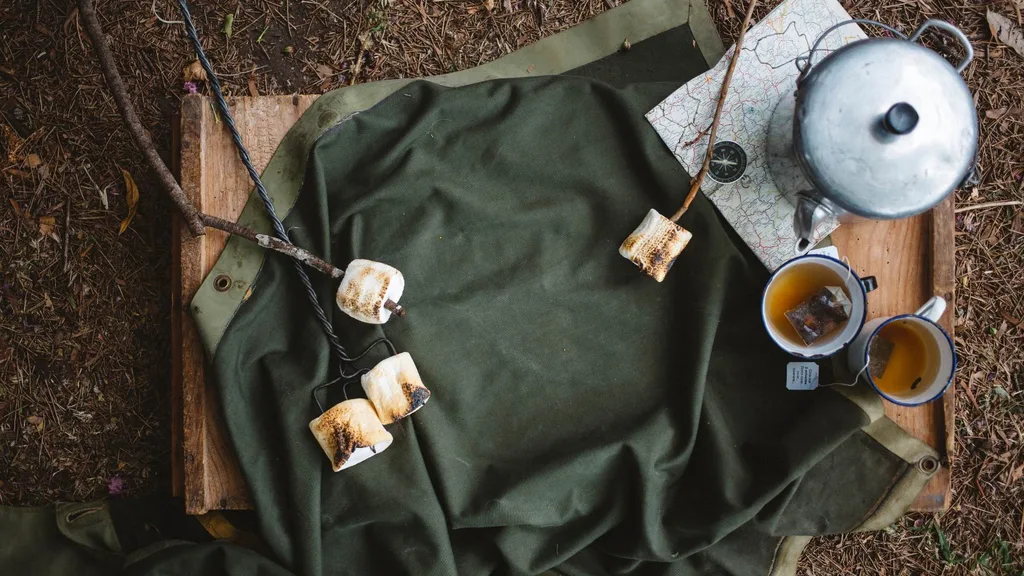
Campfire cooking
It’s best to have some dry bricks or large pieces of wood to elevate the pan or camp oven over the embers, or a tripod to hang a camp oven from. It’s very important not to use wet bricks or stones as they can explode when heated.
Move some of the embers to one side, using enough to get the pan to the right temperature. Use the embers to add more heat when needed, or to pile on top of a camp oven lid. Adjust the heat by the amount of embers or by elevating or lowering the pan or oven. It just takes a little practice.
Make sure the fire is completely extinguished when finished. The ground will remain very hot for many hours afterwards so make certain the area is confined.
Camping meals: preparation & storage
- Some recipes use fresh herbs which won’t always be ideal – 1 tablespoon of chopped fresh herbs is equivalent to 1 teaspoon of dried. Start with less intensely-flavoured dried herbs, such as rosemary, thyme and sage.
- Most recipes that use milk or cream can be substituted with UHT (long-life) versions or canned coconut milk; keep a few in reserve.
- Pre-measure dry baking ingredients and pre-chop vegetables at home to cut down on prep time. Place in containers or snap-lock bags.
- Have one meal already cooked at home so that the first meal is quick and easy after setting up camp. For example, make a bolognese sauce at home and freeze it, allowing it to thaw in the cooler box during the day. Just boil the spaghetti and reheat the sauce when you arrive.
- Make up a jar of salad dressing at home.
- Have some empty jars and stackable containers for open packets or liquids.