Photography: John Paul Urizar. Styling: Louise Bickle.
Whether you’re a first timer or a seasoned baker – baking from scratch doesn’t have to be difficult. From scones to cakes, chocolate cookies and bread, we’ve got all the easy baking recipes you need.
When it comes to home cooking in Australia, there is no one more well-respected than The Australian Women’s Weekly. And apart from our classic lunch and family dinner recipes, we’re best known for our beautiful easy baked goods. From cakes and cupcakes, to pies and tarts, these delightful recipes are easy for bakers of all skill levels, from beginners to experts looking for something simple. Take a flick through and see what you’ll be baking for your loved ones this weekend.
Looking for classic baking or expert baking recipes instead?
Baking 101: Cake tins and baking pans
It might seem like common sense, but a lot of people get confused with the ins and outs of baking tins. We explain everything you need to know about sizes, shapes, materials and greasing techniques.
Which pan for which cake?
Mud cakes and gingerbread-type cakes, with a wet pourable mixture, bake best in a flat open pan. If these mixtures are baked in deep pans, they often rise and fall in the middle, or they take a long time to cook through.
Sponge cakes are best cooked in deep-sided pans as the high sides protect the delicate sponge mixture and prevent a crisp crust developing. Traditionally, sponge layer cakes are cooked in a pair of shallow sandwich pans, but we recommend the deeper pans for a better result.
Butter cakes are usually fairly forgiving and will happily bake in flat, deep or patty pans. The baking times will change, and sometimes the oven temperatures will need to be adjusted slightly, too.
Fruit cakes are really only fruit-packed butter cakes, and can be baked in just about any cake pan you choose – from really large to really small. Baking times and oven temperatures need to be adjusted. Also, the longer a rich fruit cake is baked the darker it becomes – small cakes remain quite (often disappointingly) pale.
Christmas cakes usually have quite a bit of height, so they’re best cooked in a deep square or round pan.
Biscuits cook best on flat oven trays or pans with shallow sides so that the heat skims over the top and ensures proper circulation and browning.
Slices cook best in slice pans or lamington pans. These are rectangular pans with sides about 2.5cm high.
Material
Aluminium (without non-stick coating) gives the best results, but these are becoming increasingly difficult to find.
Stainless-steel or tin provides better results if the oven temperature is reduced by 10°C. These tins usually have straight sides and sharp corners. Tin will rust, so dry thoroughly (do this using the oven’s stored heat) after washing.
Non-stick pans are readily available now. Reduce the oven temperature by 10°C as the dark surface absorbs the heat and can cause the cake to burn. Even though the pans are non-stick, we recommend that you grease them lightly or spray them with a cooking-oil spray.
Silicon bakeware is becoming increasingly popular. Buy the best you can afford and it will last you a lifetime. It does not brown as well as metal but is wonderfully non-stick and flexible, so you can twist it to “pop” the cakes out. Depending on its shape, silicone bakeware may need to be supported on an oven tray once filled.
Essential cake pans
If you’re a beginner baker, you should start off your collection with:
• At least two oven trays with short sides – no more than 1cm high.
After buying these pans, add to the collection as you need them.
Greasing
To grease a cake pan, use either a light, even coating of cooking-oil spray, or use a pastry brush to brush melted butter lightly and evenly over the base and sides of the pan.
To grease and flour a cake pan, grease with melted butter and allow it to set before sprinkling with a little flour. Tap the pan, upside-down, on the bench to remove any excess flour from the pan.
Lining a pan with baking paper makes it easier to remove the cake once baked, it also stops the cake from sticking to the pan and from burning during long baking times.
If you’re lining a pan with baking paper, grease the sides of the pan first – this holds the paper in place. In most cases, it is not necessary to grease the baking paper as well.
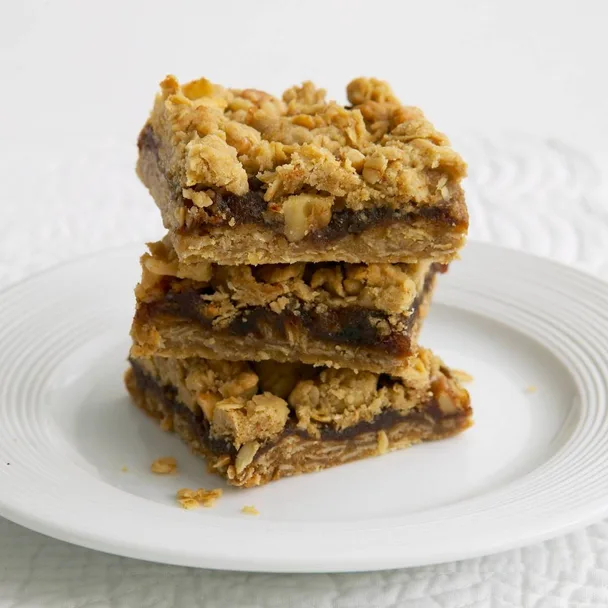

Date and oat slice
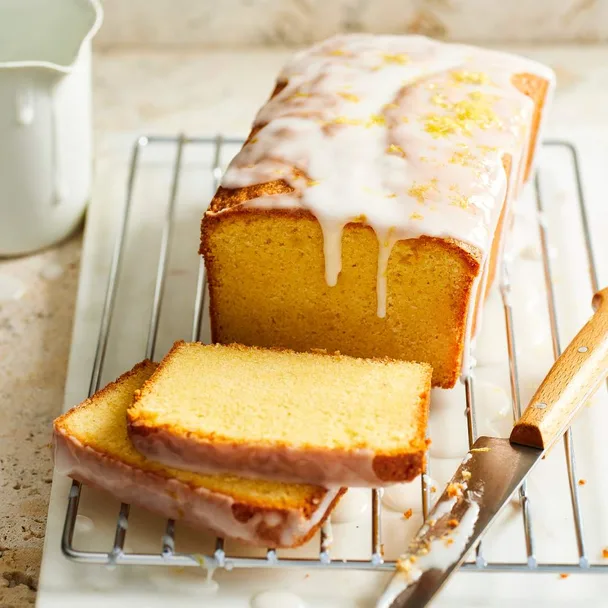
Lemon loaf cake

Julie Goodwin’s condensed milk slice
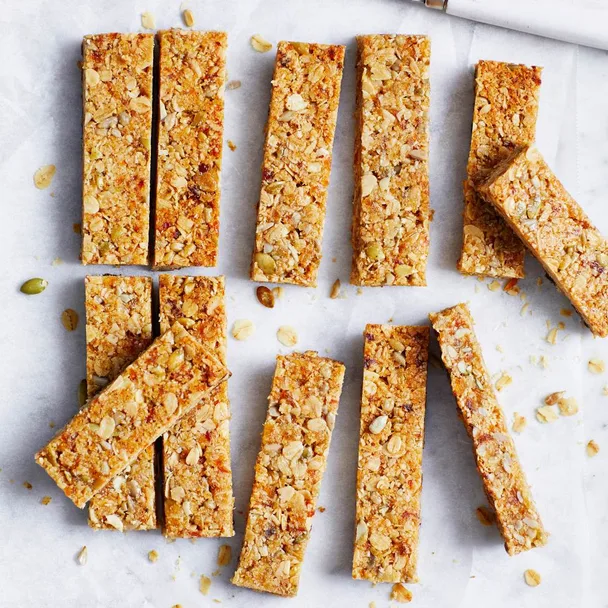
Air fryer muesli bars
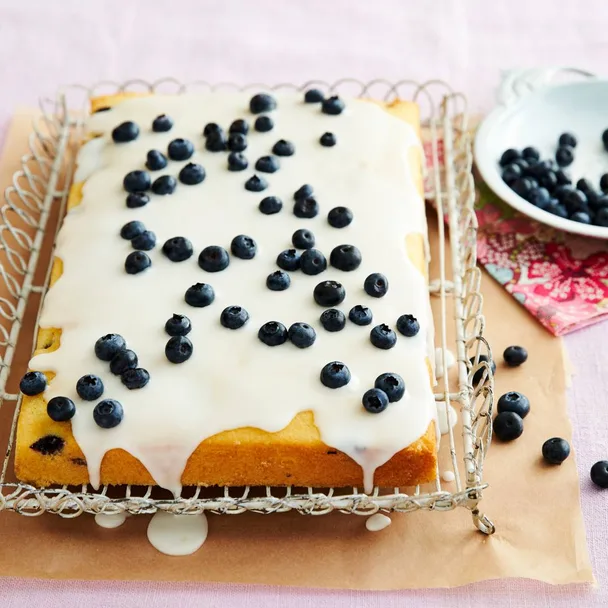
Julie Goodwin’s lemon blueberry cake
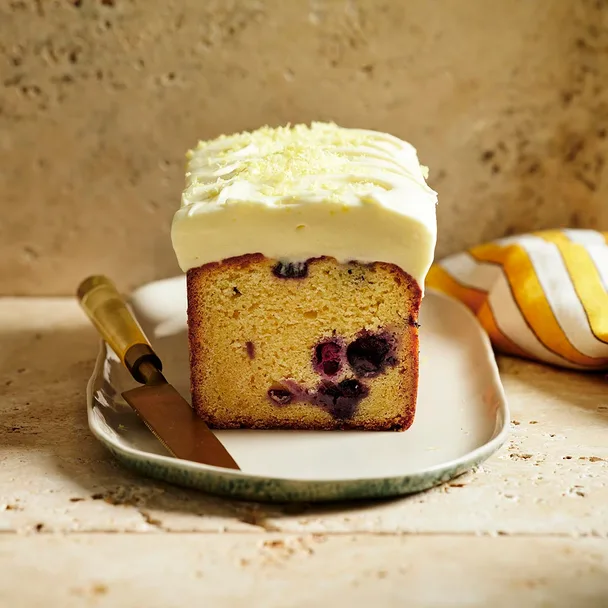
Lemon blueberry loaf cake with mascarpone icing
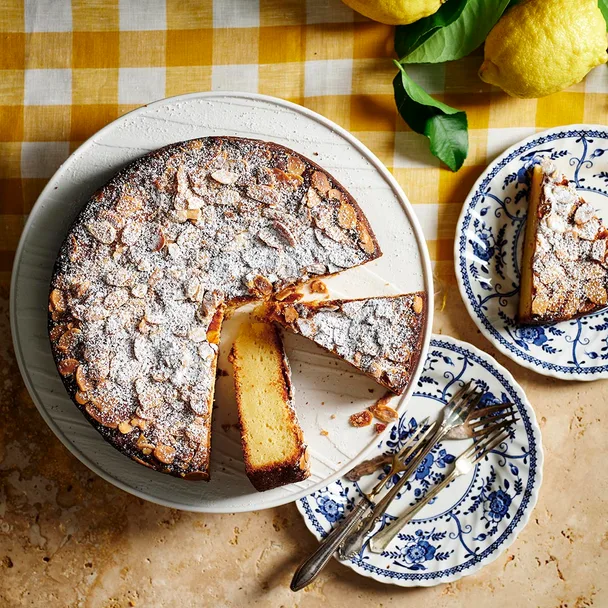
Quick-mix lemon ricotta cake
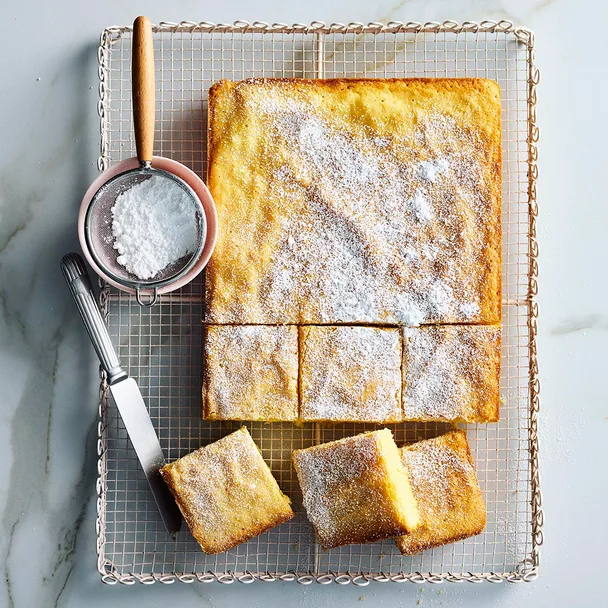
Julie Goodwin’s easy lemon coconut slice
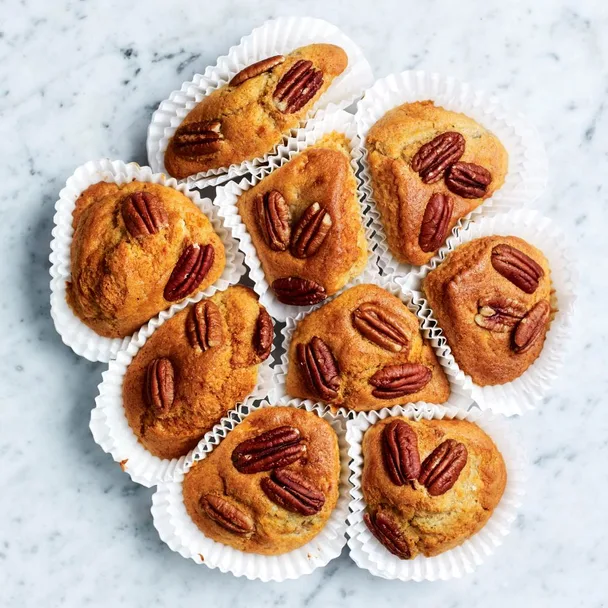
Air fryer banana muffins
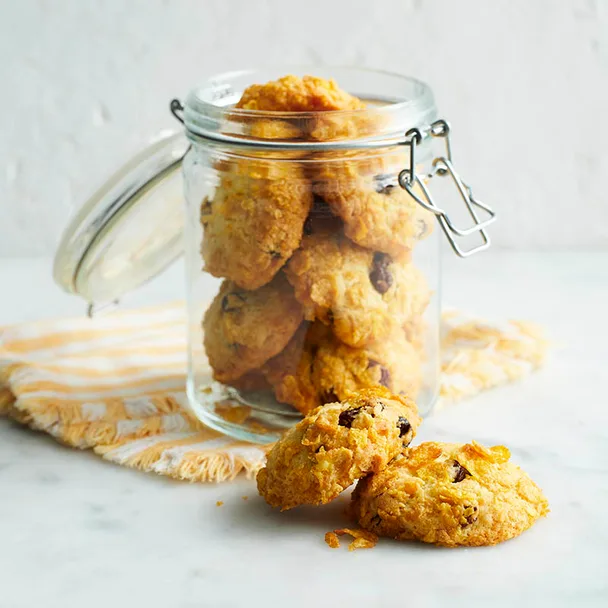
Cornflake cookies
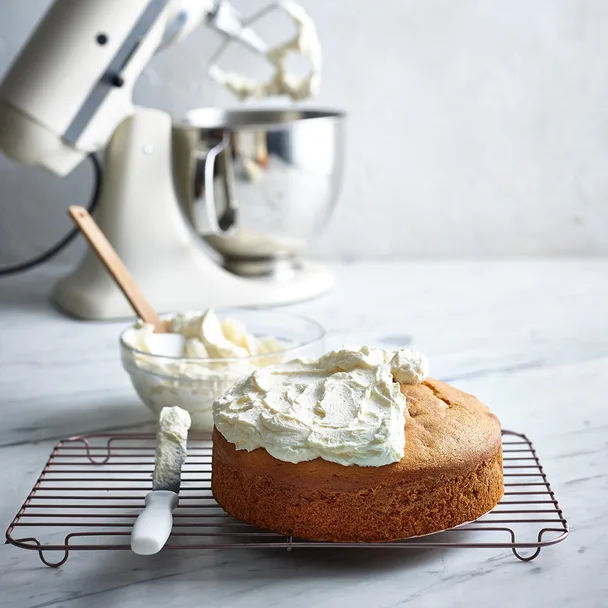
One-bowl butter cake
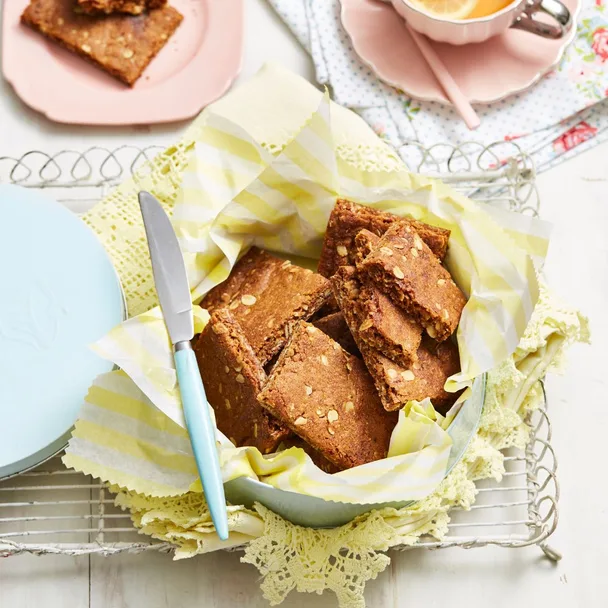
Anzac slice
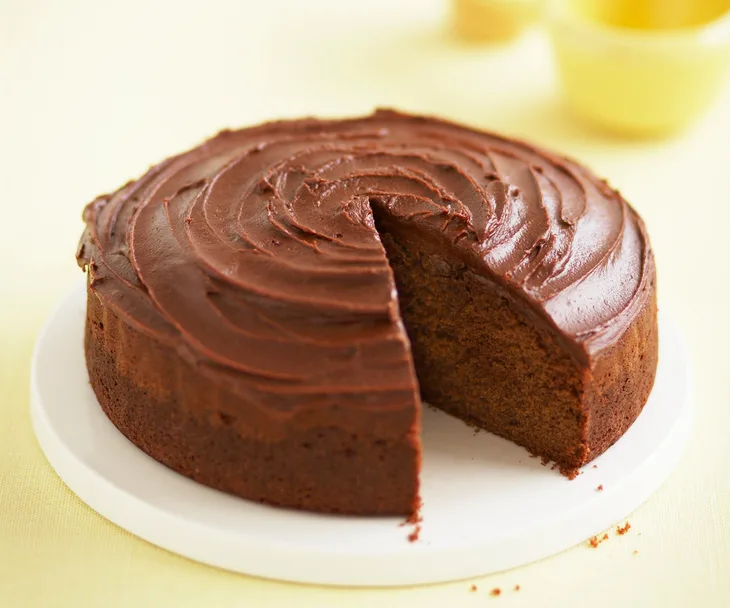
Easy chocolate cake
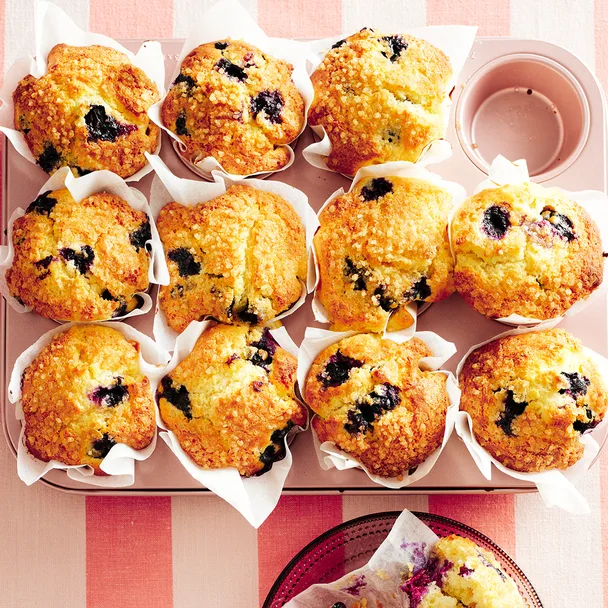
The ultimate blueberry muffins
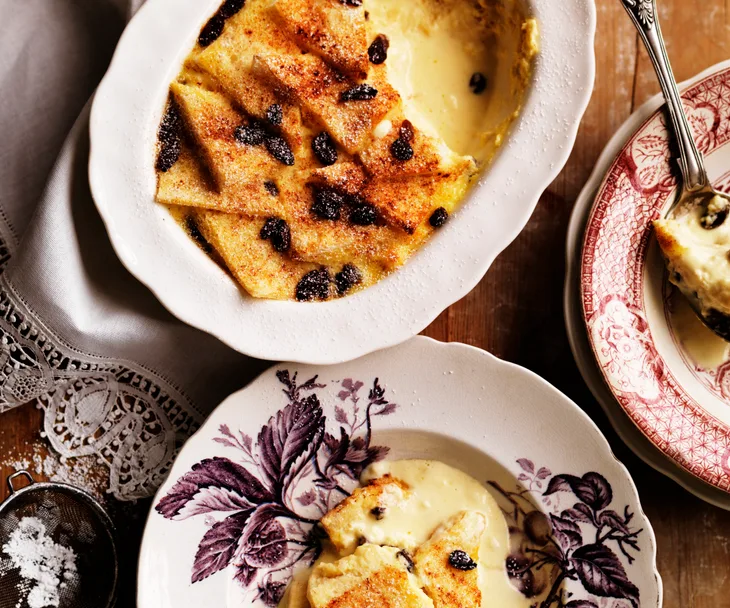
Bread and butter pudding
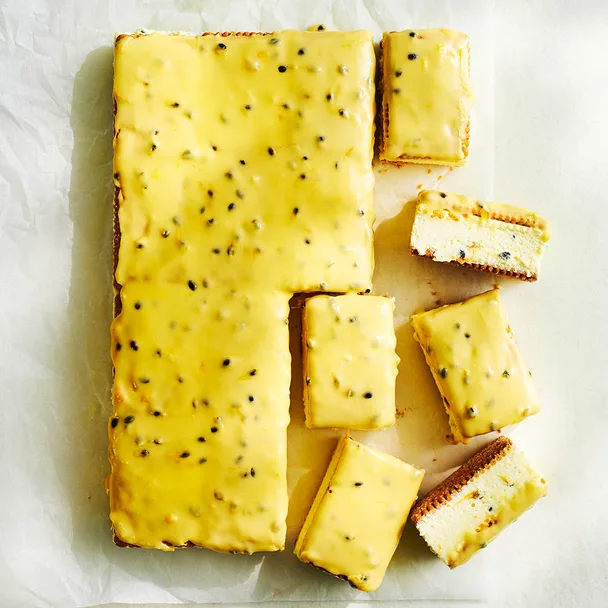
Passionfruit cheesecake slice
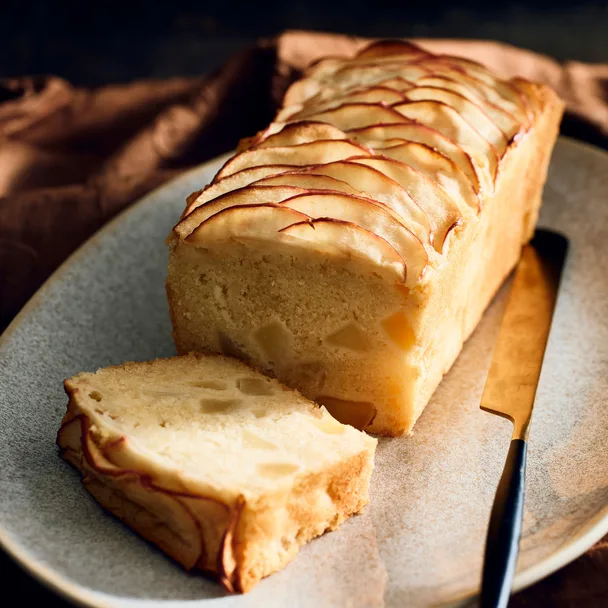
Simple apple loaf cake
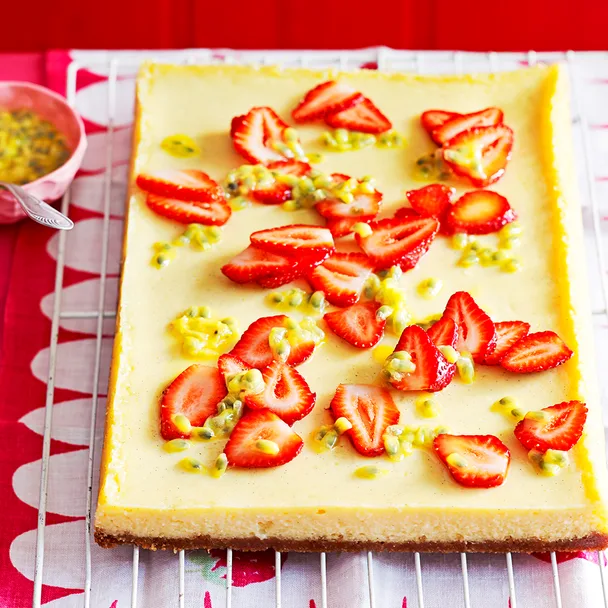
Julie Goodwin’s sour cream cheesecake slice
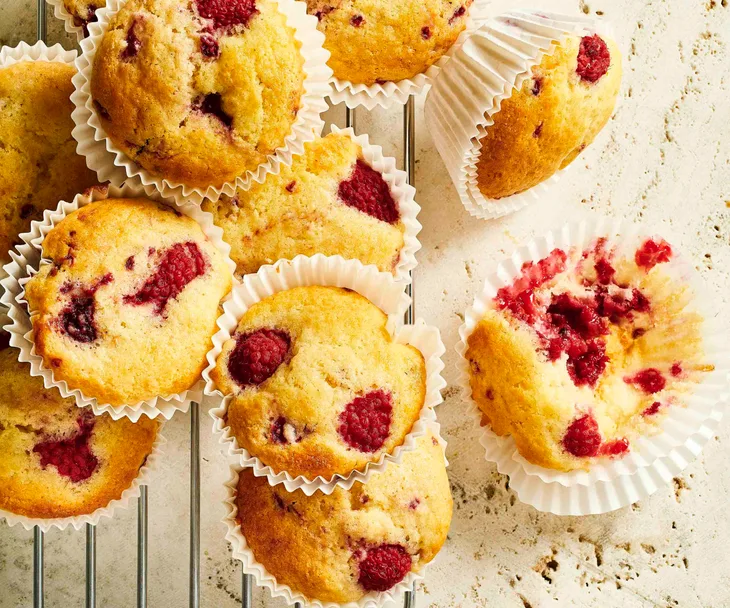
Raspberry muffins
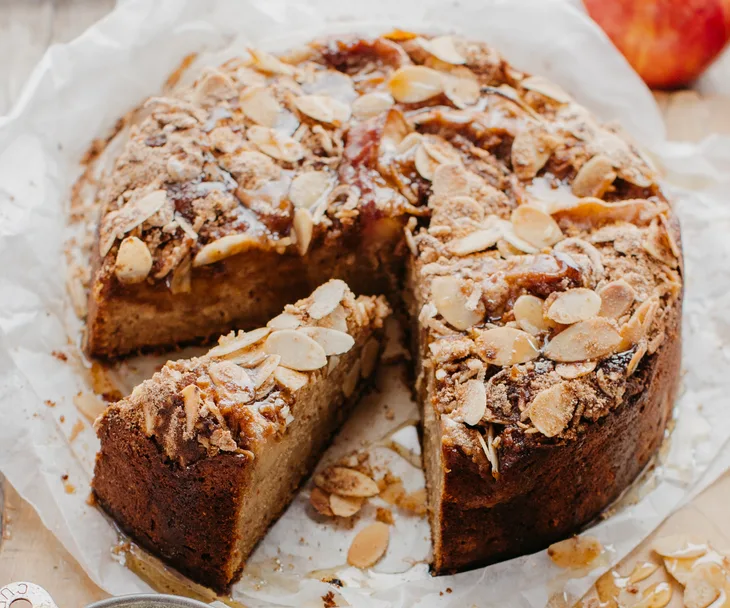
Chai-spiced apple crumble cake
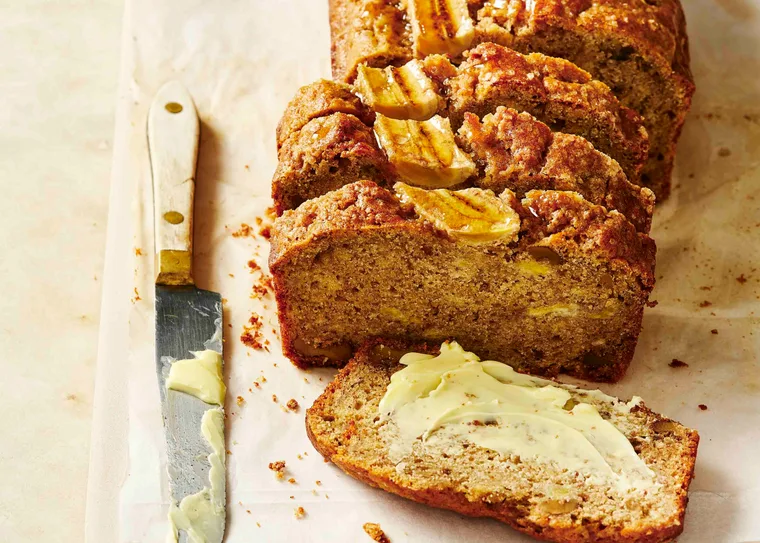
One-bowl banana bread
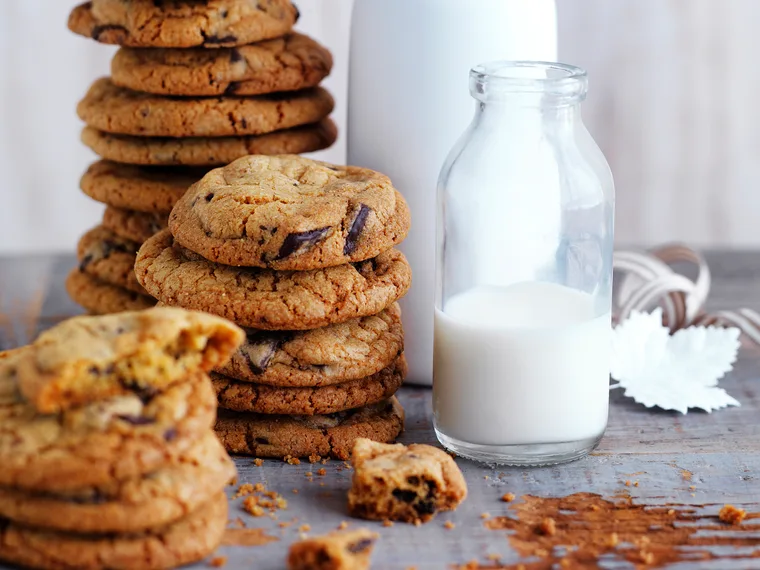
Chocolate chip cookies
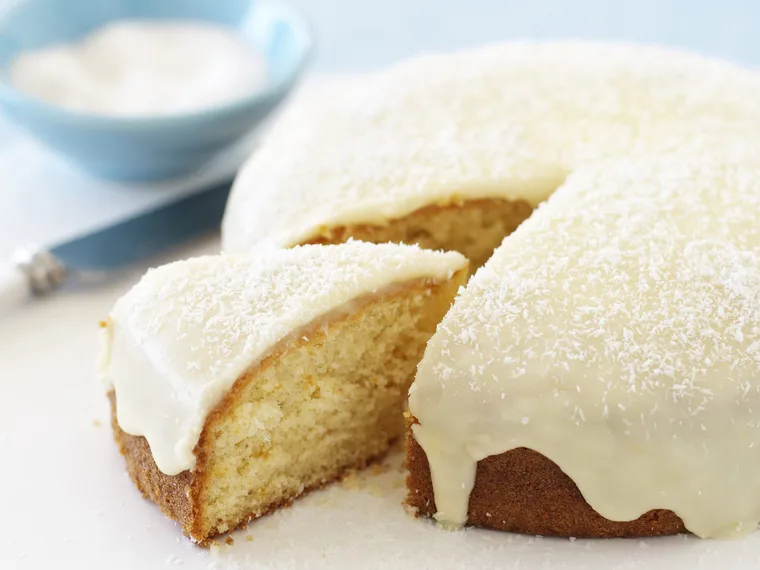
Easy orange cake
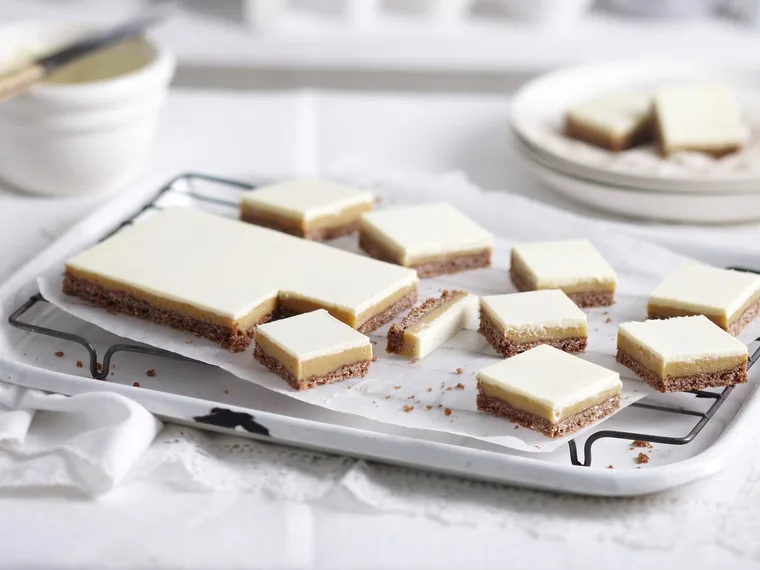
White chocolate caramel slice
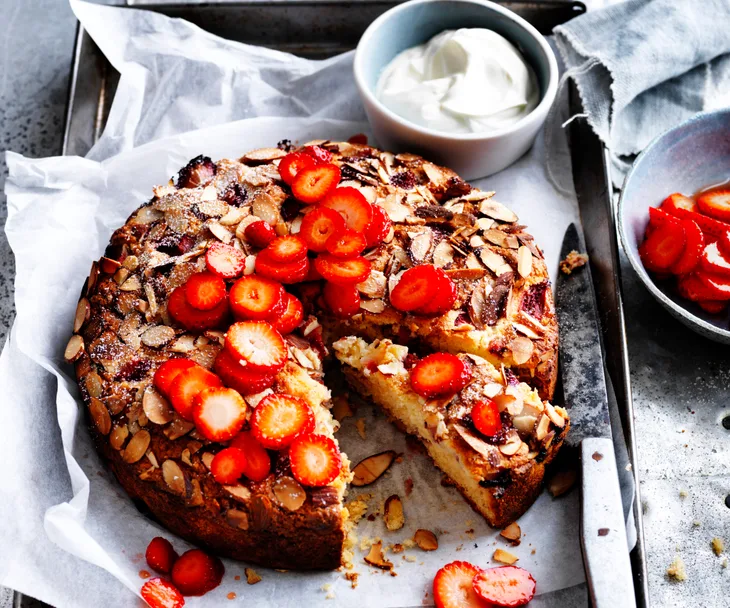
Melt-and-mix strawberry yoghurt cake
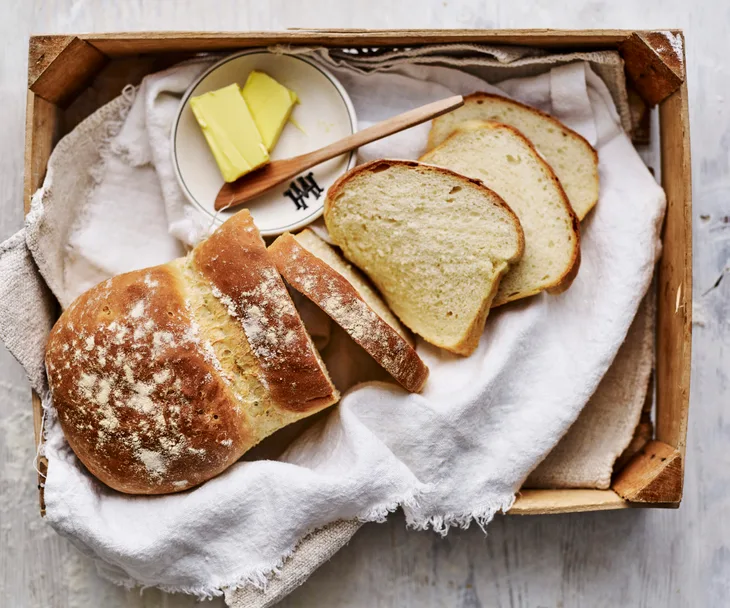
23 easy bread recipes
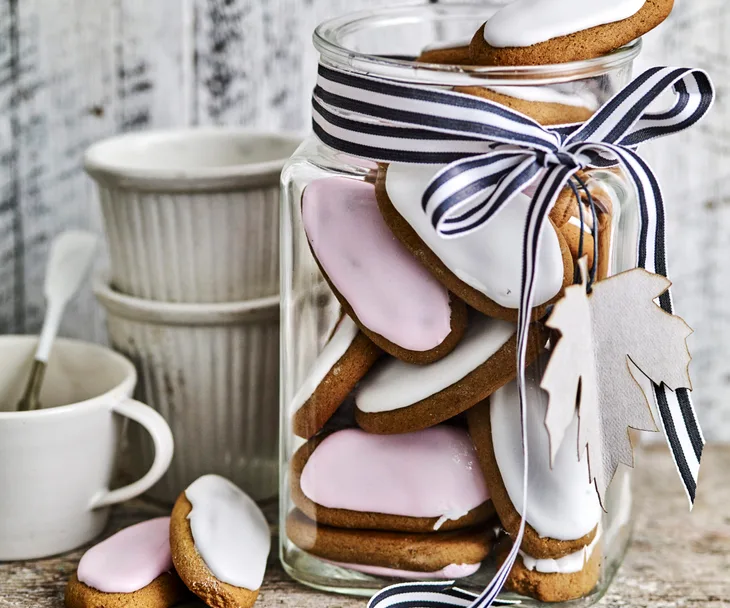
Classic honey jumbles
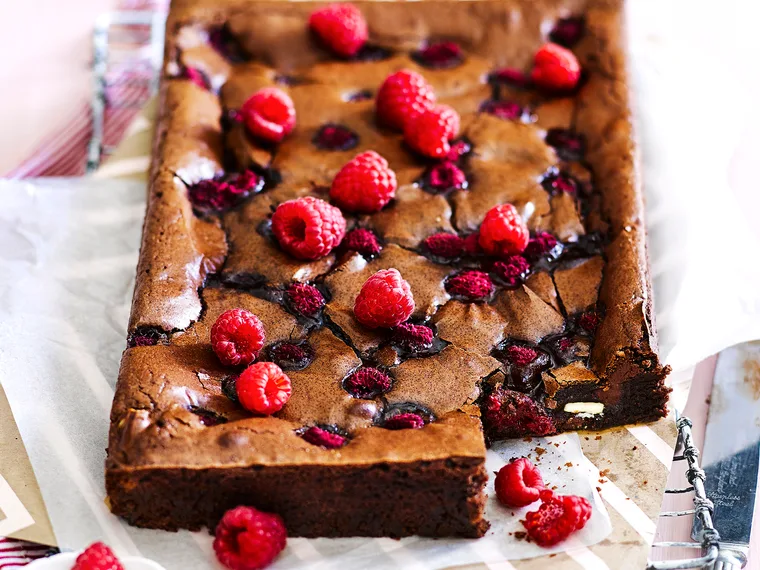
41 brilliant brownie recipes
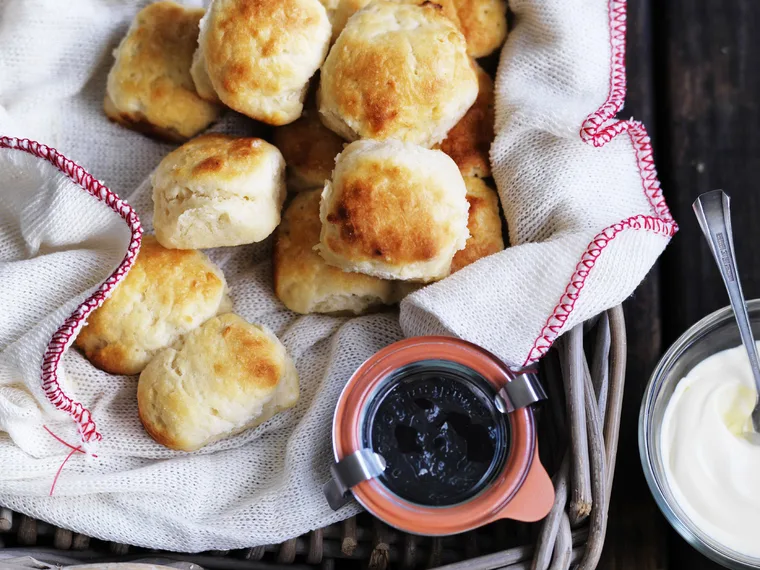
40 sweet and savoury scone recipes
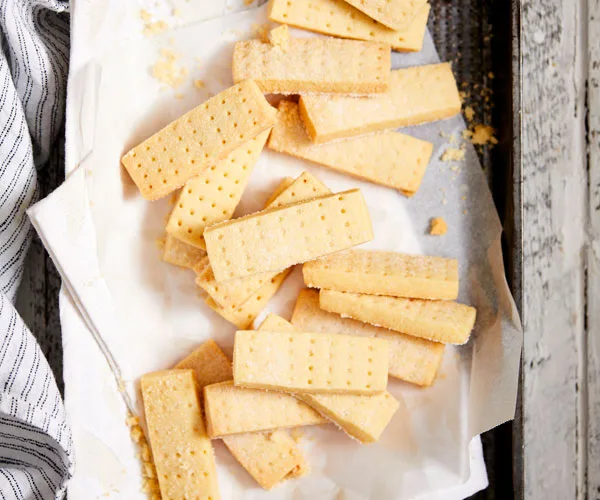
Shortbread fingers
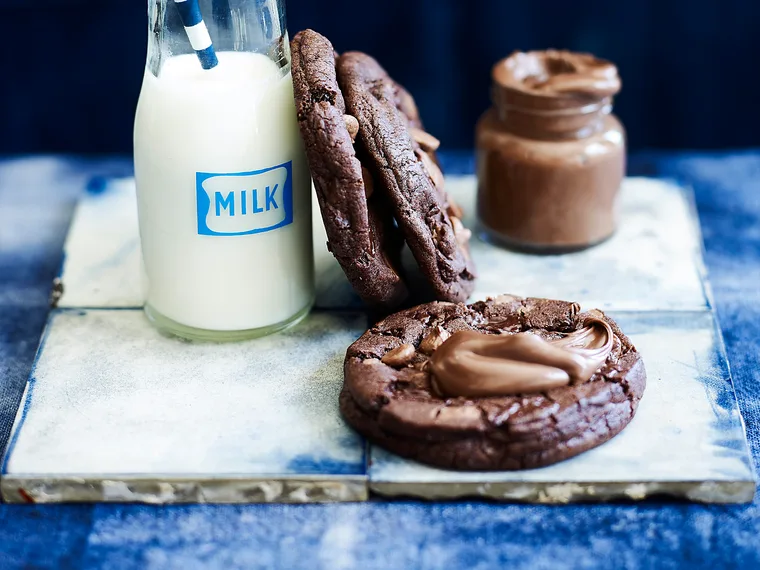
The big chocolate cookie
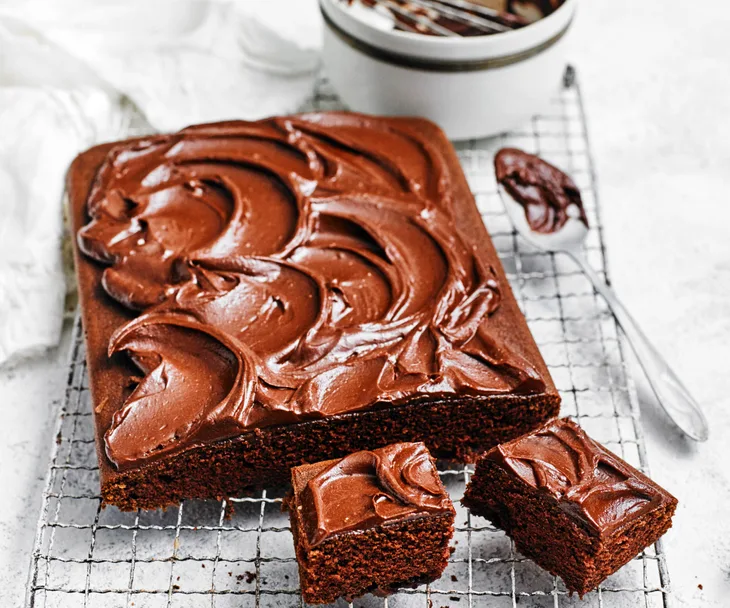
One-bowl chocolate velvet cake
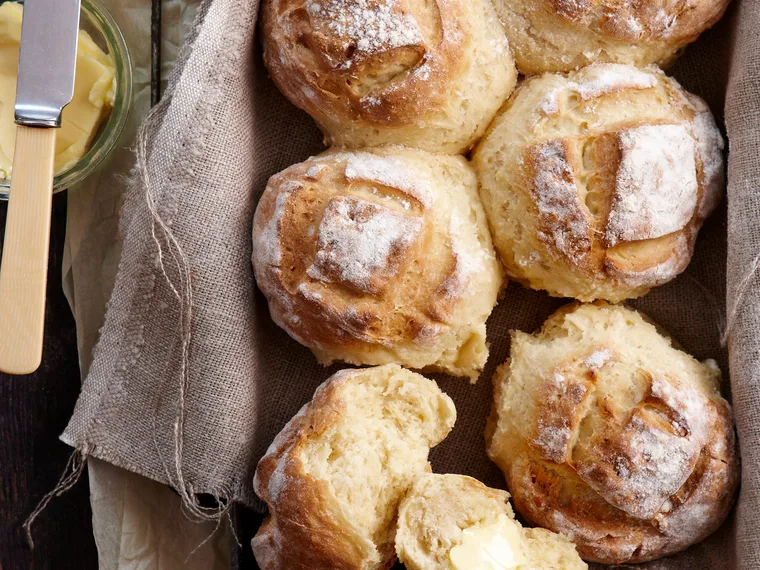
Irish soda bread rolls

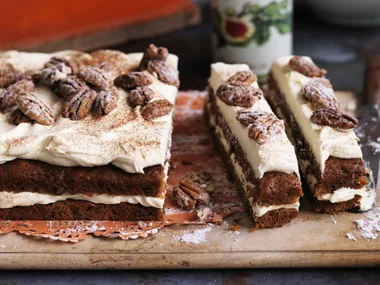
Carrot cake with caramelised pecans
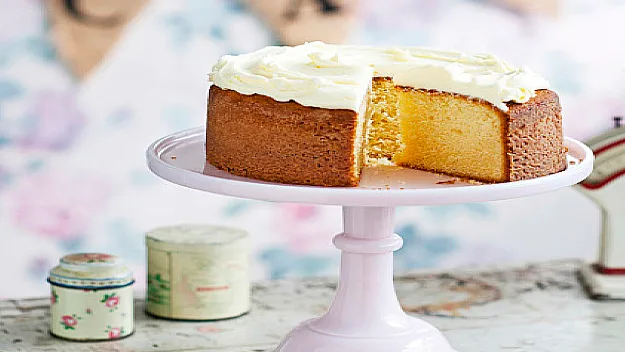
Simple butter cake
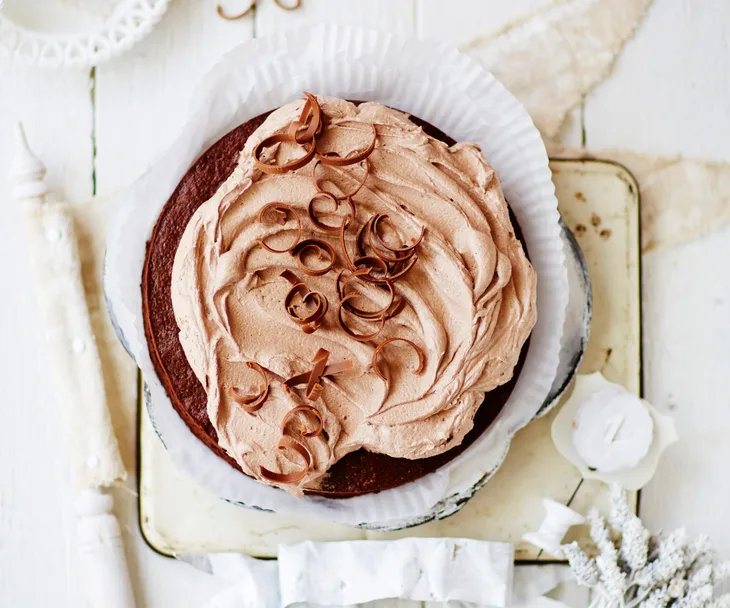
Moist chocolate and coconut cake
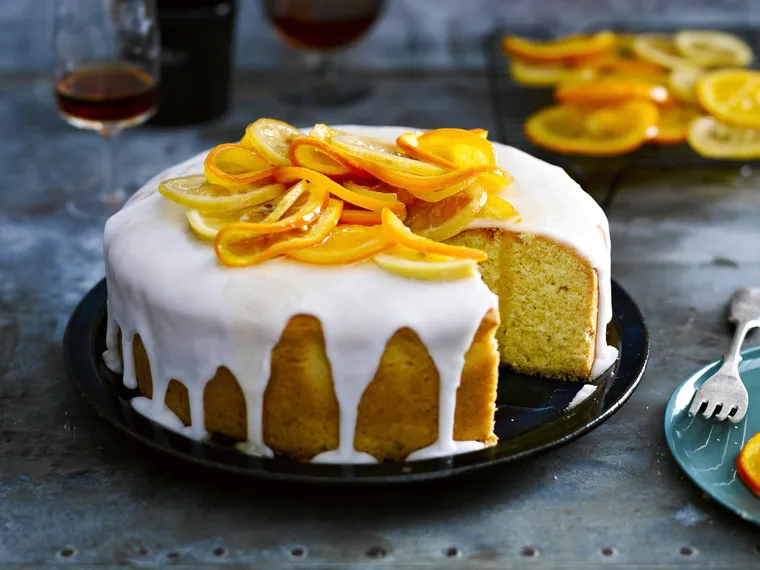
Citrus butter cake
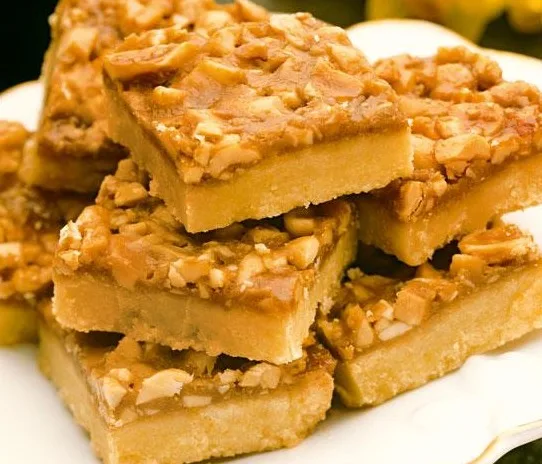
Peanut caramel squares
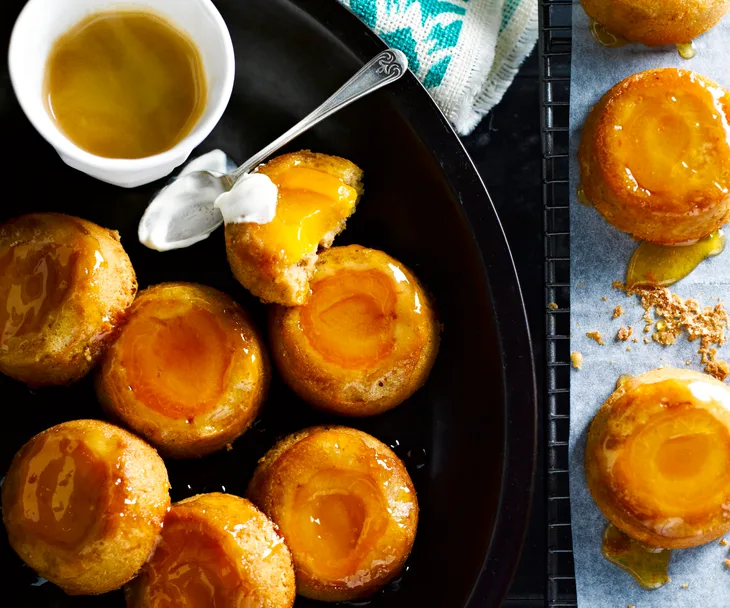
Apricot upside-down cakes
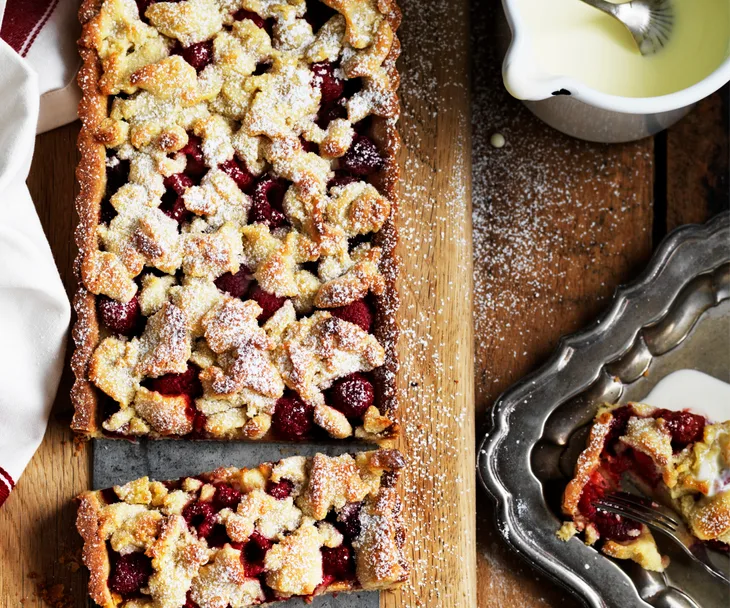
Raspberry crumble almond tart
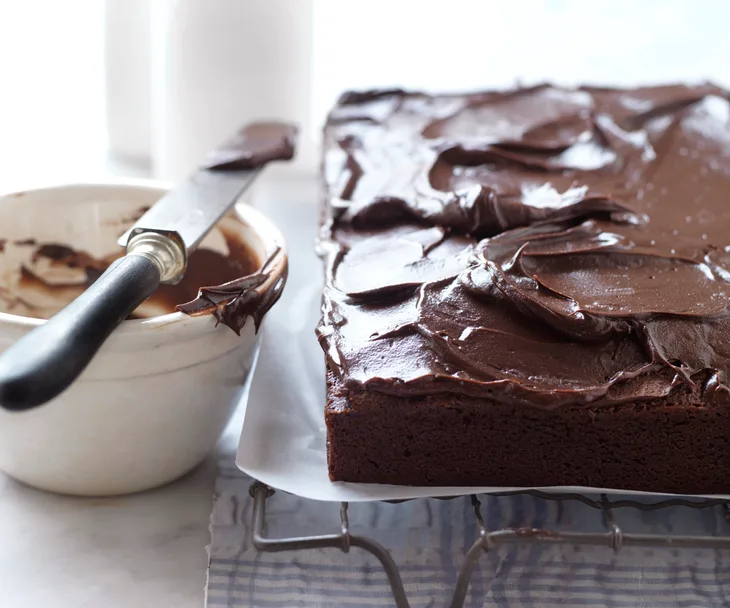
Dark chocolate mud cake

Related stories
Native ad body.
Native ad body.
Native ad body.